Description

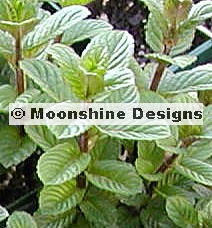
This is classic Spearmint. 2-3′ tall when in bloom.
We suggest growing in a container of confined area as this can spread.
Zones 5 (4)-11
Grown and shipped in 3-1/2″ Perennial Pots. Also available in plug flats. Check Wholesale listings.

MOONSHINE DESIGNS NURSERY


Price range: $5.95 through $49.95
Classic Spearmint
We suggest growing in a container of confined area as this can spread.
Zones 5 (4)-11
Grown and shipped in 3-1/2″ Perennial Pots. Also available in plug flats. Check Wholesale listings.
| Weight | N/A |
|---|---|
| Dimensions | N/A |
| Pot Sets | Single, Set of 3, Set of 9, Flat of 18 |

Common name is Spotted Dead Nettle
Deer-resistant Self-cleaning, no deadheading necessary.
Exposure: Plant in sun or shade
Height 8-12″ Spacing 10-14″
Hardy Temp: -30°F (-34°C) Zones 4-9 Perennial
Uses: Plant alone or in combinations in all container types and landscapes
Features: A frothy confection of silver and green foliage with purple-red flowers; heat tolerant (Our note: Blooms are more of a violet color than red)
Lamium makes an excellent, weed-smothering groundcover and is also a good mask for dying bulb foliage.
Evergreen in zones 7 and above. Excellent groundcover.
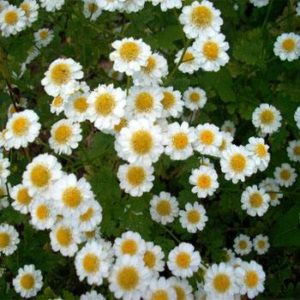
Feverfew is an herb. The leaves are used by herbalists to make medicine. It is also a very ornamental perennial.
Feverfew has many uses, including preventing migraine headaches in some people.
Feverfew is also said to be effective for fever, irregular menstrual periods, arthritis, a skin disorder called psoriasis, allergies, asthma, ringing in the ears (tinnitus), dizziness, and nausea and vomiting.
Some people use feverfew for difficulty getting pregnant or fathering a child (infertility). It is also used for “tired blood” (anemia), cancer, common cold, earache, liver disease, prevention of miscarriage, muscular tension, bone disorders, swollen feet, diarrhea, upset stomach and intestinal gas. Feverfew is sometimes applied directly to the gums for toothaches or to the skin to kill germs.
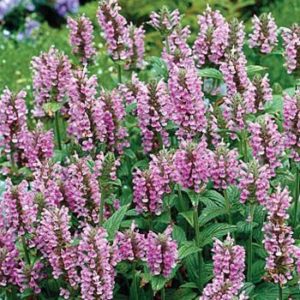
Pink Cat is an early blooming and mounding variety of Catmint that is not commonly found. This type is somewhat shorter and bushier that common Catmint. It forms fragrant pink spikes that will attract hummingbirds, butterflies and bees.
Pink Cat works well in containers as well as in your perennial border. Compact, heat tolerant, and easy to grow with aromatic leaves.
Use as a great general ground cover, accent plant, pathway edger, or rock garden specimen. (not for foot traffic)


This very tough late summer through fall blooming perennial has become a worldwide favorite for both its beauty and ease of maintenance. The flowers begin showing a broccoli green color during summer. As the summer progresses, the flowers become pinker until they turn a beautiful russet tone by fall.


This dependable and long-lived perennial boasts many single golden daisies with deep brown cones over a very long period. 1999 Perennial Plant Association Plant of the Year.
Blooms: Summer, Fall
July – October
Growth Rate: Fast
Size Range: 24″-36″ tall x 24″-36″ wide
Exposure: Full sun
Soil: Tolerates Sandy, Tolerates Clay, Loam, Tolerates Rocky, Not particular, Average, Well-drained soils recommended. Does not like soggy locations
Water Use: Drought Tolerant. Follow a regular watering schedule the first growing season to establish a strong root system.
Maintenance: Low
USDA Zone 4-10, -30 to -20F
(-34 to -29C)
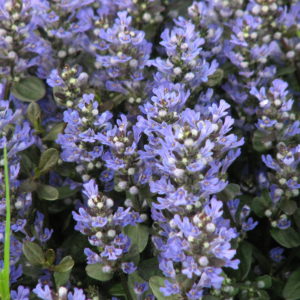
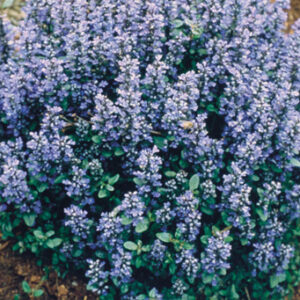
Unusual, spreading miniature chocolate chip-sized foliage with shimmering lacy blue flowers. A true dwarf variety. Excellent ground cover and right at home trailing over the edge of containers.
Zones 3-11
Full sun to partial shade


An upright Sedum that is more compact and shorter than Autumn Joy. As a plus, if doesn’t “fall apart” in the center.
Forms a low, rounded mound in spring, growing to just under 1’ tall by summer. Light green leaves become covered in a dome of bubblegum pink flowers followed by pretty seed heads.
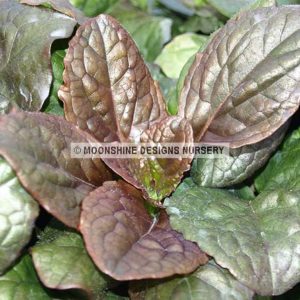
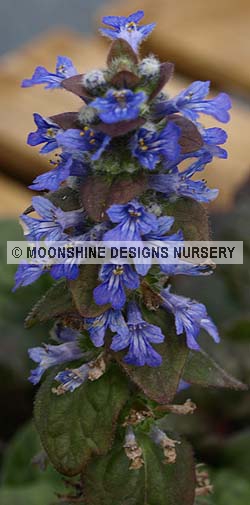
Popular as a dependable evergreen ground cover for shade and sun in most areas of the USA. ‘Caitlin’s Giant’ is a larger leafed ajuga with purple and green foliage with a ruffled edge. It is more tolerant of soil types than normal ajuga, and is actually quite drought tolerant once established. It performs equally well in sun or shade, and is a vigorous spreader, choking out weeds. Blue flower spikes appear in April through May. The plant grows 8- 10 inches tall and spreads up to 3 feet. It makes an excellent groundcover in shade or sun, but will not tolerate foot traffic well. Use stepping stones for pathways. Flowers are attractive to butterflies and hummingbirds.